Actress, humanitarian and mother of six’s preventative mastectomy and reconstruction expands dialogue and raises awareness about women’s health

Angelina JolieAngelina Jolie’s preventative double mastectomy and subsequent breast reconstruction resulted in a firestorm of publicity. Not only did it create dialogue about what to do when testing positive for the defective BRCA1 gene as Jolie had, but also about the type of reconstruction.

The defective BRCA1 gene increases breast cancer risk by an estimated 87 percent. In Jolie’s case, the facts that her mother, her maternal grandmother and most recently, her aunt died of the disease added weight to her decision. Breast cancer risk drops to below 5 percent after a preventative double mastectomy.

Jolie’s choice of “teardrop” implants also ignited discussion. Teardrop or shaped implants are contoured and are considered the most natural, both in look and feel. Jolie’s three surgeries were done through the creases underneath her breasts, a common procedure which minimizes incision lines. The first focused on saving the nipples and the second was a total mastectomy, in which the breast tissue was removed and tissue expanders were put in place. No cancer was found.

While some women have implants at the same time as the mastectomy, Jolie chose to have a third surgery for their final placement to help ensure the best cosmetic outcome. The surgery also utilized donor skin to provide support and contour to the implants. From start to finish, all three surgeries took less than three months.

Both Jolie and her physician are pleased with the results. Adds Jolie: “I have been very happy just to see the discussion about women’s health expanded, and that means the world to me and after losing my mom.”

Angeline Jolie by oparazzi photos on Flickr

Posted in Breast Surgeon | Tagged | Comments Off

Study reports a high percentage of success and patient satisfaction with endoscopic brow lift

Here’s news that should raise some eyebrows: Most patients undergoing an endoscopic brow lift are pleased with the results and would recommend the procedure, according to a recently published study in JAMA Facial Plastic Surgery.

The telephone survey, which examined satisfaction, recovery and outcomes, involved 57 patients who had undergone either a brow lift alone or concurrently with a facelift.

Also known as a forehead lift, a brow lift can provide a more alert and youthful appearance, improving frown lines and furrows. It can also help minimize creases across the forehead or high on the bridge of the nose as well as correcting low or sagging brows. In some cases, brow lifts have also reduced or even helped eliminate migraine headaches.

Researchers found that 93 percent of patients reported the procedure as successful and 96 percent would recommend it. Nearly three-fourths of those surveyed stated that they had been told looked younger and less tired and that the procedure helped bolster their self-confidence.

Along with a quick recovery of about a week– return to normal activities after more than two weeks was mostly reported by those who also underwent a facelift – scars and swelling were minimal, as were complications such as numbness. And 50 percent of the patients who reported headaches prior to surgery experienced a reduction in their frequency and intensity.

Such surveys not only enhance research but assist consumers in making informed decisions. Additionally “relying on patient-reported information helps us to better understand the surgical experience and to improve preoperative counseling,” the authors write.

Photo by Walt Stoneburner

Posted in Facial Surgeon | Tagged | Comments Off

New and established options for implants and flap procedures

woman statueToday more than ever, women have a choice as to what they can do regarding breast reconstruction. The two main procedures – implants and tissue flap procedures – offer a variety of options.

Patients in need of breast reconstruction may be overwhelmed by the number of choices. Fortunately, plastic surgeons are prepared to guide patients toward a technique that meets their expectations.

Implants

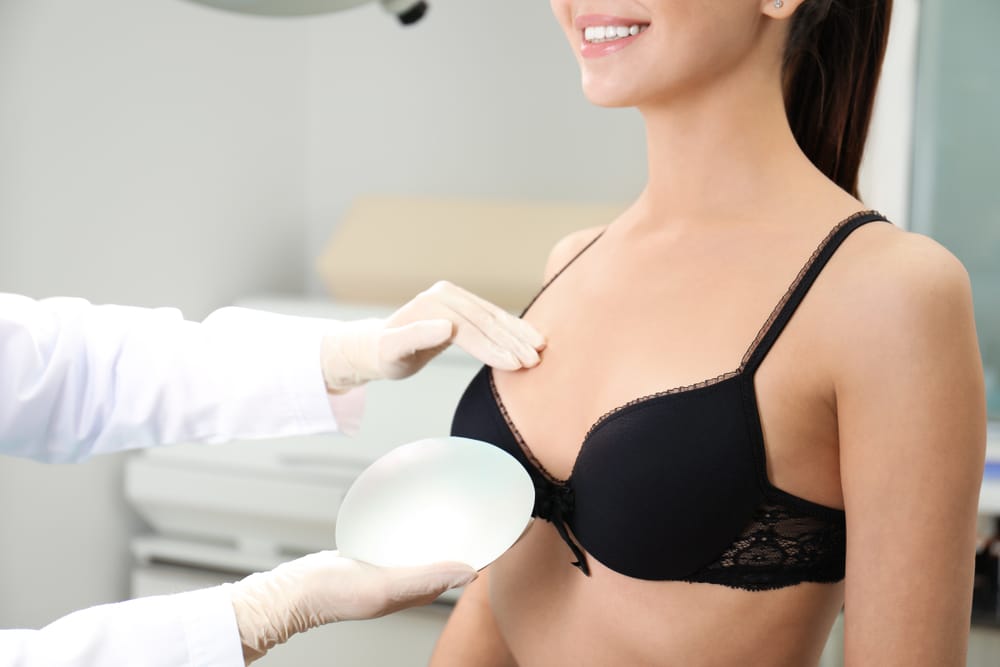
Implants are filled with either a saline solution (most common) or silicone gel. Depending upon the situation, one-stage immediate breast reconstruction may be performed the same time as mastectomy.

Here, the implant may be put in the space where breast tissue was removed or behind the chest muscles. Or, more commonly, the implant may be done via two-stage or delayed reconstruction where the surgeon implants a tissue expander.

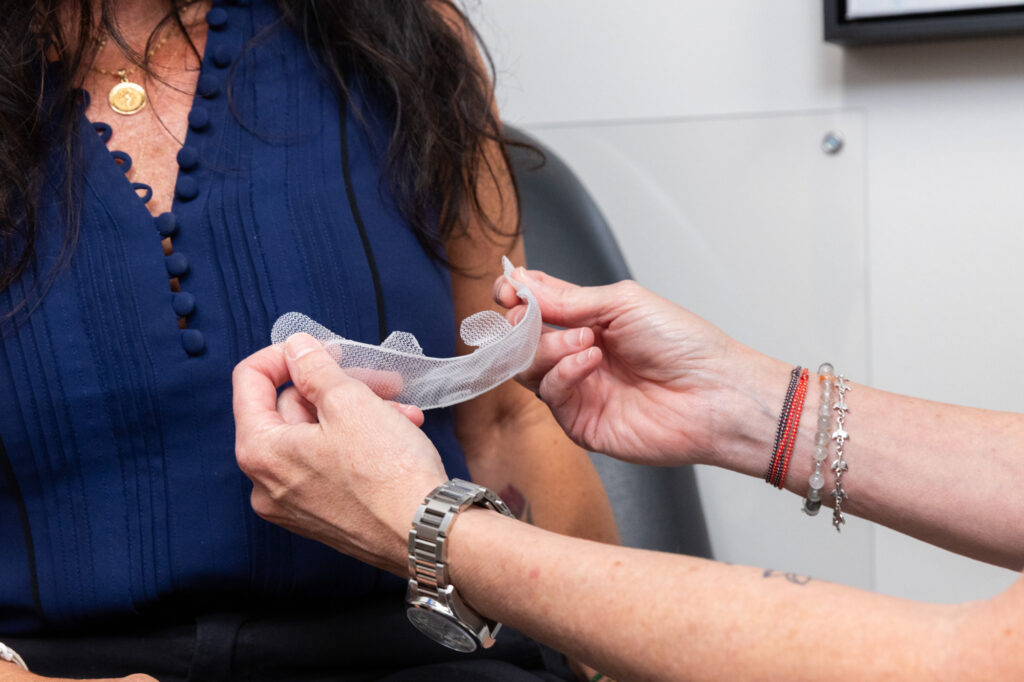
A salt water solution is injected to fill the expander over time, usually 4-6 months. Once the skin over the breast area is stretched, the expander may be removed and replaced with an implant or may even be left in place as the final implant. The FDA also recently approved “Gummy bear” implants, made with a highly cohesive silicone gel.

Tissue Flap Procedures

The two most common types of tissue flap procedures are the TRAM (transverse rectus abdominis muscle) flap, which takes tissue from the abdomen and the latissimus dorsi flap, which uses tissue from the upper back.

These operations require two surgical sites and leave scars where the tissue was taken and on the reconstructed breast. The newer DIEP (deep inferior epigastric artery perforator) flap procedure uses fat and skin from the belly and also the muscle to form the breast mound. This results is a “two-fer” that provides a tummy tuck in addition to breast reconstruction.

Photo by merrick310 on Flickr

Posted in Breast Surgeon | Tagged | Comments Off

50% of Plastic Surgeons Surveyed Use Sites Like Facebook, Twitter, and Pinterest

Social sites like Facebook and Twitter have become useful tools for the modern plastic surgery practice, according to a study published in Plastic and Reconstructive Surgery.

To find out more about the ways in which plastic surgeons use social media, doctors at UCLA sent anonymous surveys to over 5,000 plastic surgeons.

The survey inquired about their personal use of social media, the platforms they used, and the perceived impact these activities had on their plastic surgery practice. About half of the surgeons who responded said they were using social media in their professional practice.

Benefits of Connecting with a Doctor Through Social Media

Social media is not only a good networking and marketing tool for plastic surgeons, it can also be a good patient education platform. But when you’re a busy professional, staying current with your Facebook and Twitter accounts can be challenging. To handle the ongoing communication, 54 percent of the respondents said they depend on a staff member to manage their social media accounts.

These benefits don’t come without some level of risk. Maintaining a social media presence means being open to negative comments and online attacks. Some doctors also cited concerns about patient privacy.

With so many plastic surgeons using social media, the field is taking a progressive approach that may set an example for doctors in other specialties. “Because of our current level of engagement with existing social media services, plastic surgeons are uniquely poised to become leaders in developing the future of social media architecture to the maximal benefit of practitioners and patients alike,” the authors conclude.

Photo by West McGowan

Posted in Cosmetic Surgery | Tagged | Comments Off